

Saxton spearheads lobby effort for lottery reform
9 Feb 2012
A group of charity and lottery company representatives have agreed to work on a plan to push for reform...
The Methodist Church’s investment arm has outlined a strategy to create and manage portfolios with a carbon footprint that is relatively low and measurably declining.
Bill Seddon, chief executive of the central finance board of the Methodist Church, explained: "The new policy explains how we will encourage companies to limit and reduce greenhouse gas emissions. We will also look for better disclosure of emissions, including those produced from a company’s supply chains."
But Ekklesia has noted that over 20 per cent of the Church’s shareholdings are in oil and gas companies, including Royal Dutch Shell, condemned in a recent report by Amnesty International for its environmental destruction in the Nile Delta.
Steve Hucklesby, policy adviser for the joint public issues team at the Methodist Church, said the Church sought to engage with oil companies on the environment and it believed that oil extraction wasn’t intrinsically ethically unacceptable.
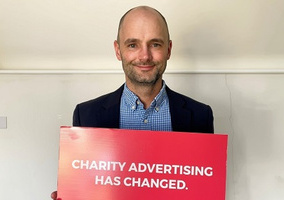
“Oil companies, both Shell and BP, are investing in renewable energy generation but this positive environmental agenda is massively outweighed by the more recent interest shown by both companies in Canadian Tar Sands projects," Hucklesby (pictured) said.
"We have expressed our concerns and bring our concerns independently through meetings with senior executives of Shell and BP as well as with other partners, particularly the Church Investors Group and Ecumenical Council for Corporate Responsibility.
“The question as to whether oil extraction is an ethically unacceptable area of commercial activity was given consideration by the central finance board of the Methodist Church, which might have led us to exclude the whole sector, as we do with defence and alcohol. We decided that it is not intrinsically ethically unacceptable.
"Of fundamental importance to us is the commitment of oil companies to addressing concerns around climate change. Our approach to investment is to work with companies to encourage better practice and we seek to invest in those that are the more progressive in their sector. Our investments in Shell and BP will be continually reviewed in this light."
Huckelsby said the Church does not exclude mining companies as a sector of investment, but invests in those companies with the most progressive standards. "We have regular dialogue with companies and we bring to their attention issues that are of concern to us. A successful ethical investment policy, in our view, is to see companies improve their position in relation to the environment rather than avoiding them and not having an influence.
"Disinvestment is a last resort when it is clear that the company involved is not prepared to amend its behaviour.”
Opening the gates to responsible investment
9 Feb 2012
A group of charity and lottery company representatives have agreed to work on a plan to push for reform...
8 Feb 2012
Charities should be wary of regaling donors with too many facts and figures about the impact of their...
8 Feb 2012
London Voluntary Service Council plans to use the money it won from the Transforming Local Infrastructure...
9 Feb 2012
A new headquarters and hub for social enterprise support organisations has officially opened in London...
8 Feb 2012
Christian Aid has “disestablished” its head of fundraising role as part of a new approach to fundraising...
8 Feb 2012
The key to securing better outcomes for older people and other vulnerable groups is joined-up services,...
9 Feb 2012
The Wellcome Trust plans to give its employees more choice over the type of device they use for work.
6 Feb 2012
An East Sussex-based animal welfare charity has launched a new website in a bid to increase online donations...
31 Jan 2012
4Children has launched its new website to provide clearer information about its work and campaigns as...