

Umbrella body NCVO has called on English mayors to use their new spending powers to bring charities “into the heart of local decision-making”.
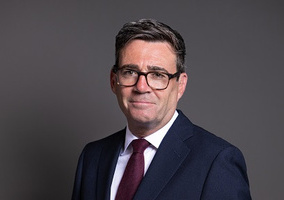
Prime minister Andy Burnham this week announced that mayors will receive a share of income tax revenues for the first time and keep a greater share of locally generated funds such as business rates from next spring.
Further details on the changes are due to be set out in a roadmap at the autumn budget and form part of former Greater Manchester mayor Burnham’s plans to “take power out of Westminster”.
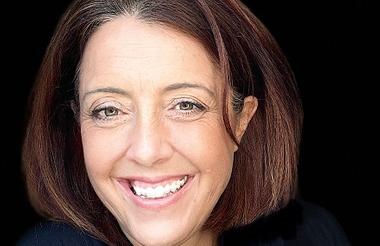
In response, NCVO chief executive Kate Lee said the plans had “the potential to transform our communities”.
“But this will only work if mayors engage the people and organisations who understand the issues and how to address them,” she said in a statement.
“That means bringing charities and voluntary organisations into the heart of local decision-making. They have deep local knowledge and trusted relationships that no one else can replicate, and the vital work they deliver is already improving lives across the UK every day.
“The voluntary sector is a significant driver of growth in every part of the country, creating jobs, developing skills, supporting people into employment and building stronger, more resilient communities.
“As mayors take on greater responsibility for economic growth, it is crucial they see civil society as an invaluable strategic collaborator, not simply as a delivery partner or nice to have.
“The places that succeed will be those where mayors use their new powers to work in collaboration with organisations from both civil society and the impact economy to create lasting change.
“Investing in the coordination and partnerships that bring these sectors together will lead to clearer local priorities, better decisions, stronger communities and growth that is genuinely felt by everyone.”
She added that English mayors should build on Burnham’s own Greater Manchester VCFSE Accord alongside the principles of the Civil Society Covenant.
Meanwhile, the Local Government Association’s chair Eamonn O’Brien said Burnham’s announcement was a positive step towards greater fiscal devolution but warned that areas without mayors may not benefit from the changes.
Rewiring the state
A cabinet statement on the government’s devolution plans states that it will support the devolved governments, strategic authorities and local authorities to drive growth “working in partnership with businesses and the voluntary, community, academic and faith sectors”.
The government will consider revoking “performative” statutory duties to consult on policies and introducing “new and modern forms of public participation” in their place.
“This recognises that local leaders are better equipped to link public opinion and civil society to policy making,” it says.
NAVCA, which represents local infrastructure organisations, said the voluntary and community sector (VCS) “must be a full partner” in the government’s devolution work.
“Where the VCS is already at the table in strategic authorities, with NAVCA members providing vital systems leadership, we see community needs being taken more seriously and local insight shaping better decisions,” it said on social media.
“As new strategic authorities and directly elected mayors are established, the VCS must also be a full partner. Devolution can deliver impact so people can live well.
“For fiscal devolution to achieve its full potential, communities, local government, public services and the VCS must work together from the start.”