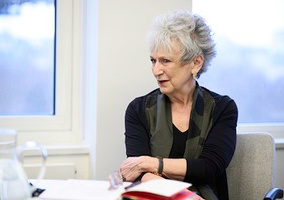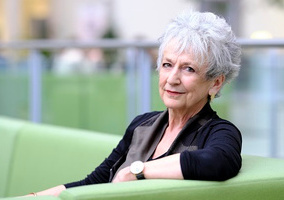


Trustee recruitment must be “much more open”, the chair of the Charity Commission told an event yesterday.
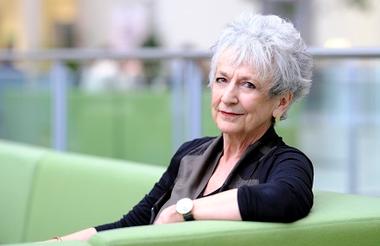
Julia Unwin, speaking at Eastside People’s Festival of Trusteeship, urged charities to find ways of advertising for trustee roles closer to communities.
“I’m very tired of people saying it’s expensive to advertise,” Unwin said. “LinkedIn is now a place where professionals advertise.
“I think we need to find other ways of doing it in communities and different places.”
In April, Unwin criticised the lack of open trustee recruitment in an early speech as commission chair after just 6% reported they applied for their role via an advert.
Also speaking at the event yesterday, Paul Hamlyn Foundation interim director Dhivya O’Connor said: “The biggest barrier is the way we think about who is qualified to hold power and how we welcome difference.
“I think we really do need to move away from diversity just being a tick-box exercise."
Board Racial Diversity chief executive Yeme Onoabhagbe, a fellow panel member, reiterated that recruitment still happens informally, often through existing networks and personal relationships.
“Inevitably, what happens is we just are drawing from the same types of people,” she said.
“If we’re serious about changing what boards look like, we need to, as a standard, have open and transparent recruitment and more trusted roles,” Onoabhagbe added.
Unwin also told the event that the charity sector’s independence is its single biggest strength and is “under threat”.
“Having an independent regulator that’s not run by government is one of the protections against it, but I think the sector needs to remain independent [and] treasure its independence,” she said.
Unwin referenced certain funding agreements in the last 25 to 30 years which she said made charities de facto “providers of services for the state”, rather than independent bodies.
Representation
Unwin said that it was “shocking” that the civil service, local government and most businesses did not give leave for trustee duties, such as meetings.
“I don’t think we’ve done enough to explain why governance is good for people’s careers,” she added.
When asked about the barriers to board diversity by event chair Eastside People Richard Litchfield, Unwin said: “For me, it’s not about representation.
“It’s about having that knowledge and understanding, the set of connections that really matters.
“I hesitate on the representation because I do think that downplays what the role is. The role is to be a full member of the board and not to represent anyone, but to serve the organisation.”
Christopher Dayson, director of the Centre for Charity Effectiveness at Bayes Business School, said that formal board meetings “put off” some people, especially the young.
“Do we actually know whether or not young people want to be involved in boards?” Dayson asked.
“Some people […] don’t want to sit around a square table or a square Zoom meeting,” he added. “What we found is that people do want to be involved, but they want to be involved in a different way and through a different format.”
This comes after joint research from the Charity Commission and Pro Bono Economics last April found that just 1% of trustees were aged 30 or under.
‘Zombie board’ risk from AI
Dayson said that boards must resist delegating strategy development or decision-making to artificial intelligence (AI).
“There’s a real risk of almost by accident creating these zombie boards if we outsource too much of the work and too much of the thinking to AI.”
He added that this could have a “real negative impact” on long-term public trust in charities.
Unwin labelled AI a “fantastic shortcut” but urged charity figures to retain their personal sense of scrutiny.
“None of that [AI technology] replaces the decision-making of boards or their advisers or their executives, but all of it should make it easier and more accessible,” she said.