
National abuse charity told it will not receive Jimmy Savile Trust funds
22 May 2013
The trustees of the Jimmy Savile Charitable Trust are not donating any funds to the National Association...
Sorry for interrupting, but there is something we need to tell you...
We use cookies to ensure that we give you the best experience on our website.
If you wish to restrict or block web browser cookies which are set on your device then you can do this through your browser settings, the Help function within your browser will tell you how.
A third of charities that responded to the NCVO’s latest Charity Forecast Survey expect to increase their paid workforce over the next three months, the highest figure since the final quarter of 2008.
And correspondingly, the numbers of organisations that plan to cut staffing levels has fallen from 28 per cent three months ago to 19 per cent – the lowest figure for two years.
These encouraging results have come despite the fact that 94 per cent of respondents think that economic conditions within the voluntary sector will be negative over the next 12 months, just slightly better than the all-time low reached last autumn, when 98 per cent of respondents expected the economic environment to be tough.
The responses on staff numbers mean that net confidence in this area has risen into positive figures for the first time since May 2010. The NCVO said the improved confidence could be attributed to the start of the new financial year bringing in new funding for projects, or to increases in demands for services.
However, the answers on headcount proved to be the only beacon of light in an otherwise depressing outlook. Some 59 per cent of charities have seen the financial situation of their organisations worsen over the last 12 months, and there has been a big drop in the numbers of charity leaders that expect their financial situation to improve over the coming year, down to 13 per cent from 22 per cent the previous quarter.
In addition, the number of organisations that expect their charity’s financial situation to worsen have increased by seven percentage points to 59 per cent. These two factors have resulted in a substantial drop in net confidence, from -31 per cent in the first quarter of this year to -46 per cent this quarter.
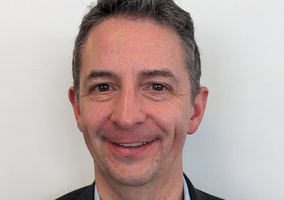
Sir Stuart Etherington (pictured), chief executive of the NCVO, warned that the sector will “reach breaking point” if the gulf between demand and resource continues to widen.
“The sector is already doing a lot more with much less, and something has got to give eventually.”
The latest Forecast Survey polled 85 charity CEOs, trustees and senior managers. This is the 18th survey in the series.
The full report can be found here.
22 May 2013
The trustees of the Jimmy Savile Charitable Trust are not donating any funds to the National Association...
22 May 2013
Charities’ membership or non-membership of the Fundraising Standards Board could be included on the...
22 May 2013
Ellie Gray has resigned as director of fundraising at Mencap after four years in the post.
22 May 2013
A Welsh representative has been appointed to join the six new Charity Commission board members announced...
22 May 2013
Charities’ membership or non-membership of the Fundraising Standards Board could be included on the...
22 May 2013
Birkbeck University of London has come under fire over plans to close its Masters course in Voluntary...
22 May 2013
Google has shortlisted ten UK charities which stand the chance of winning £500,000 as part of its Global...
20 May 2013
Your CivilSociety rounds-up the most read stories from the previous week.
17 May 2013
The voluntary sector should create a “data manifesto” that identifies who holds data about the sector...
29 Oct 2013
29 Oct 2013
29 Oct 2013
27 Nov 2013
Tod Norman
26 Jun 2012
Fascinating: all future financial measures down ( more services, negative confidence, etc.) but plans to hire more people are up. Is the funding coming from investment return, raiding the piggy bank, or fundraising?
If the last of these, then FR will need new thinking, tools, and attitudes towards risk - and stress counselling as well.
[Reply]