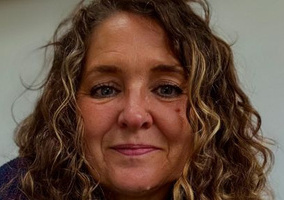


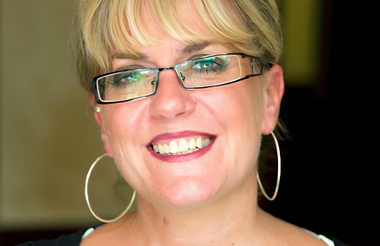
The latest Civil Society Podcast episode has been published with Debra Allcock Tyler, chief executive of the Directory of Social Change (DSC).
In this wide-ranging interview, Allcock Tyler discusses trustee behaviour, the evolution of charity sector leadership, and resource challenges, among other things.
You can listen to the interview now below or on streaming platforms including Spotify, Apple Podcasts, Amazon Music and Pocket Casts.
AI-generated transcript
Léa Legraien (LL): Hello, and welcome to another episode of the Civil Society Media podcast. I’m Léa Legraien, senior reporter for Charity Finance, the essential resource for everyone interested in the financial side of running a charity. On today’s show, I’m speaking with Debra Allcock Tyler, chief executive of the Directory of Social Change. A charity itself, DSC has been making charities stronger for over 50 years and exists to help them help others. It provides training courses, publications, online funding databases, research, conferences, a bookshop and lots of free resources on its website such as top tips and best-practice articles. I hope you enjoy my chat with Debra, and I’ll speak with you again at the end. Hi Debra.
Debra Allcock Tyler (DAT): Hi, Léa. Hello. How are you?
LL: I’m good, thanks. Um, thanks for joining me today. So, I want to have a chat about, you know, your time at DSC, and I know that this year marks 25 years since you joined the charity. So, if we go back in time, can you tell me why you joined the charity 25 years ago, what made you like join DSC?
DAT: Yeah, of course. Yeah, well, I’d worked for a charity called the Industrial Society for, you know, 14-15 odd years, and then I got redundancy from there. So, I set up a little business with a friend of mine. We did it for about a year, but what we realised was that we weren’t enjoying it at all. It was like a consultancy piece of work, and we both realised it’s because we were – the purpose of the business was really to make money for us, and that just didn’t appeal to us, really. So, in the end, we said, okay, we’re not going to do this anymore, we both want to go back and work in, you know, service in charities, in particular, and of course, we both ended up back in charities. And then, so, what happened was, I, you know, started applying for various jobs, and I actually applied for a job at NCVO as director of membership, and I didn’t get it, but one of the trustees of NCVO at the time was a chap called Rodney Buse, and he also happened to have been one of my trustees at my previous charity, so I knew him. And when I didn’t get the job afterwards, he rang me at the weekend, and he said, you know, there’s this great job going at Directory of Social Change, and it’s a very similar model to the previous character that I worked at, so like information training, publishing, that sort of thing, and I think you’d be great for it, why don’t you apply. And I’d never heard of DSC, to be perfectly honest, at the time. So I went and looked, and I thought, gosh, that’s exactly right, that really does fit in with my experience. So I applied for the job, and I got it. So that was very pleasing. Yeah, so I, so you know, just makes me think about the importance of main male allies who are in positions of power. Not that he got me the job, I mean, he didn’t. He just knew about it and told me about it, but if he hadn’t have told me, I wouldn’t have applied for it. And also he encouraged me, you know, like, I think actually director level isn’t big enough for you, Debra, you’d be better off being a chief executive. So that’s a real sort of statement of faith, because obviously I was crushed when I didn’t get the job. So that’s how I ended up at DSC, and there was quite a lot of competition, it was a really fierce interview process, I have to say, I’ve never been through anything like it. I was going to say before, since, but I haven’t been for any interview since, so I can’t compare it really. Because you had to, so you had to do a written application, and then you then had to come in and do so, just let me think about, so then you had to come in and do a pre-interview, and what you did was you had. You were given a set of management accounts for the charity, and then you had to write, I don’t know, like a couple of pages about what you saw in those accounts, which, luckily, I’m pretty good accounts, because you know, my previous, my experience, actually, as a trade union officer, you learn about company accounts. So you had to do that, test that then you had to go and meet all of the staff, then you had to go and meet all of the trustees informally, then the following day you came back in and we, the candidates, had to give a presentation about what we saw from memory, like the future for DSC and what the possibilities were, and then an interview. So it was incredible, it was weird because we had to, we all have had to do all this together. So all five of us, shortlisted candidates, were meeting the trustees at the same time. I don’t think I would ever do something like that again, because that was a bit strange. But yeah, so I got the job, so that was very, very good and a very happy moment for me.
LL: Yeah, and you never looked back. Well, that sounds really intense. Like, did you have to prepare a PowerPoint?
DAT: Absolutely, yeah. Had to prepare a presentation had to, you know, it was, it was a very thorough, thorough interview.
LL: Well, so that was 25 years ago. When you were appointed at CEO, you were appointed to bring change. So why did it need a change of direction at the time?
DAT: Well, it’s not so much you needed a change of direction actually, it was doing pretty well. It’s just that charities go through phases, don’t they? So they go through the startup phase, where it’s all very messy, then they sort of settle in, and they get into habits of behaviour. And what the trustees wanted was not a big change in strategic direction. What they wanted to do was to have the charity modernise. So for example, when I came, there was there was only one internet line in the whole organisation. I mean, Léa, you probably, I mean, you’re far too young’s to remember any of this, but and it was one of those that made that kind of sound. It was a dial-up VPN internet. So we didn’t have the internet, everything was paper-based, you know, we were very between receiving an order for one of our publications, our charity books, and dispatching it was about six weeks, you know. And so what would happen is customers would expect their book within a week or so, and then they’d call us up, so it was lots of duplication of effort, so is that really they just wanted to bring sort of a fresher, more modern look to it, and because in the other society, where I had been, was very successful, a really good publishing business training consultancy in-house, etc. And so they wanted me to bring some of that good practice into DSC.
LL: I mean, I wasn't working 25 years ago, but I remember at home, whenever I was connected to the internet, and my mom wanted to phone someone. I had to like log out and I was like…
DAT: Absolutely, yeah. Those were the days. Back in those days, our database was a filing system, you know. It was like it was a cupboard full of paper. That world has changed.
LL: Yeah it has. So, is it where you would like it to be, DSC?
DAT: I’m really, really proud of it. I'm proud of it, right back from 50 years ago, because we’re just celebrating 50 years. When, well, we were actually registered a charity in the late 1980s, but it was.. but the whole concept was set up by Michael Norton back in 76 I think it was. Yeah, so we’re celebrating 50 years, and I think we’ve done amazing things over that time. So, so when you say, is it where you want it to be? Of course not, because you know there’s the world evolving and emerging. And I think that, you know, what DSC has been very good at so far is managing to stay just ahead of the game, so we’re constantly looking ahead to see what can we do differently, what’s coming, and I think you always have to do that. So I think anybody who says their charity is where they want it to be needs, you know, needs like slap on the head or something, that sounds so violent, you know, but needs a good shake up, because a charity can never be where you want it to be, because it’s got to be responsive to a world that’s coming that we don’t know what’s coming. Does that make any sense?
LL: It does. They need a reality check. I was going to say.
DAT: Absolutely. I mean, if you, as a chief executive, is out there thinking, I’m really happy that the charity is where I want it to be, you need to move jobs, you know, because no charity can sit there and say we’re exactly where we want to be and still hope to survive into the future.
LL: That’s true. You have to innovate these days, especially when you work in such like conditions, like the operating environment is really difficult at the moment. So when you were a new CEO, you previously said that you faced real hostility from some of the staff.
DAT: I did, yeah.
LL: I’m guessing that was like many years ago upon joining, maybe. Do you remember how you overcame those challenges? How did you keep pushing forward?
DAT: Um, well, not specifically, if you know, what I mean. The one thing I was clear about was that I needed to stick to my guns, you know. I knew what needed to happen, I knew what needed to change, and I just had to keep repeating that message, whilst at the same time really listening to people and try and take them with you. But it was, I mean, it was just human beings, you know, I’m not angry or upset with any of the people. It’s like it was a big change. Mike Eastwood, the guy before me, was a massively popular chief executive. They all absolutely adored him, and he was appointed by his predecessor, you know, by the guy who set up the charity. There’s real attachment to these two men, and a chap called Luke FitzHerbert, and you know what they stood for and what they’d done, and I completely understand that. And here I come in, quite young, I was only 36 at the time, full of new ideas and new ways of doing things, and trying to modernise, and inevitably I met resistance. And you know it’s the thing about being a chief executive, people don’t see you as a human being doing your best. They see this, they see the job title, and they judge you by that, and I understand why it happens. It was, it was horrible for the first two years, I really wasn’t happy, I didn’t enjoy the work at all, but I kind of, I didn’t want to be beaten, if you know what I mean. I didn’t want to give in and give up, just because, you know, yeah, just because some people didn’t like me. So I just kept going, basically. And I think, you know, to anybody listening in, sometimes that’s all you can do, just keep going. And just like it does, because it does change, you know. I think, actually, and this is another important message, I genuinely thought that I could just win people over. And actually, it’s not as simple as that. It really isn’t. You've got to put in place structures and behaviours and frameworks and things like that, and then you’ve got to give people time to adapt to them, and not everybody does straight away, you know. And it’s like, I also really did realise, which I knew already, but it really came out to me, is that, you know, moving an organisation forward is not about whether or not people like you, it’s about whether or not you’re really clear about what you’re trying to do, and you just keep on trying to do it. So yeah, so I look back on almost all of those people with fondness, even the ones who made me cry, which some of them did, to be fair. I look back and I think at the end of the day they weren’t setting out to make my life miserable, just as I wasn’t setting out to make their life miserable. You know, it’s just timing, I suppose.
LL: And obviously it’s really hard not to take it personally, but when I guess when you’re in a leadership position, it’s got to be a balance, because you don’t want to be too strict, but you can't be too friendly either, because, and at the end of the day, you are there, so that your organisation can achieve, you know, its goals.
DAT: Yeah, you’re not supposed to take it personally, Léa, but I did. Of course I did. I was young, you know, I was, I’ve been around a long time now, so I’d be less likely to do it then. And actually, I did go through a phrase phase when I think I got far too close to my staff. So once we’ve got, you know, once that past two years, and there’d been changes in people, and new people had come, and you know, we were building a different kind of culture, I did get very close to myself, and I spent a lot of time with them socialising, and I think in hindsight you know, perhaps that probably wasn’t the wisest, most professional thing. Luckily, nothing bad happened as a result of it, but now I look back and I think, actually, I did perhaps get a little too close to them, you know, I went out drinking with them and things like that. I mean, again, I was young, Léa, I was only in my 30s, but yeah, and so I think I perhaps made things perhaps harder for them. I always say, you know, about the boss socialising, you should absolutely go to social events with your teams, of course, you should. You know, it’s right, you know, they’re your team and you work with them, but that you should leave after a decent amount of time, and the reason for that is because what happens is, you know, when staff go out drinking, they get drunk, and when they get drunk, often they lose their judgement, and so sometimes they will say things to you that they would never say if they were sober. And then when they woke up, wake up the next morning, they bitterly regret. So I always felt that not hanging around too long is a way of protecting your staff rather than protecting you, because you don’t want to put them in a position where they say something to you that they then got to deal with how they feel about it the next day, you know, so it’s not about protecting you, the chief executive, because you don’t have it, but it’s about protecting those individuals and making sure they don’t put themselves in vulnerable situations.
LL: I think it’s very thoughtful, and it’s a good strategy as well. So how have you remained relevant and true to your organisation’s values for the past 25 years?
DAT: Well, our values haven’t changed, really, Léa, to be honest. I mean, you know, DSC basically at the core heart of DSC is we believe that that society is made better when people get off their backsides and start caring for their communities, and for people around them. And that one of the most effective, powerful vehicles for enabling that to happen is charities as a charitable structure, because all charities are is a mechanism for people who want to do good and want to help, to reach those people or those causes that need help, and that, you know, charity is just the bit in the middle that facilitates that. And so we believe that if we can have really well-run, effective charities who know what they’re doing, getting the funding they need, complying with the law, behaving well towards volunteers and beneficiaries, and so forth, that society will get better. So that basically hasn’t changed, and all that happens is sometimes the way in which you achieve those objectives change, so, and mostly that’s modernising. You know, like we used to do all of our training face to face, now it's almost entirely virtual. We used to sell, well, we still sell books, but we sell big funding directories, and then we introduce CD ROMs, and then we went to an online searchable database, so the methodology has changed, but the core of what we stand for hasn’t changed.
LL: So, aside those like technological advances, how has the charity sector changed for you over the past 25 years? What would you say are the biggest changes you've seen?
DAT: Well, in my particular part of the sector, which is the infrastructure part, the change has been massive. When I joined 25 years ago, almost all of the leaders of the major infrastructure bodies were men. And I was pretty much the only woman, apart from a wonderful woman who was in charge of Charity Finance Group at the time, but at the time Charity Finance Group were not seen as a particularly serious player, and that changed. Now they’re almost all women, and, and that does feel different, and it’s not a criticism of the men. They did things their way, you know, although it was quite, it was very difficult to get included, you know. I felt very isolated, didn’t get invited to, you know, sort of dinners and lunches and things that they all did, so that was quite lonely. It’s not now, because you know, but, but also, the other thing is the sector has always been competitive, and it still is, of course it is, because we’re competing for funds, and we’re competing for attention for our cause. And it’s not that we don’t want the other cause to get attention, it’s just that, you know, people can’t give attention to every single charity. So the sector was a lot really competitive, but then once we saw more women leaders coming into the sector, particularly infrastructure sector, it became more collaborative. So, there’s still competition, of course, there is, but it just feels more collaborative and more united as an organisation, as a group, even though, even though it’s tough times, you know, we’ve managed to stay together, I think.
LL: And it is hard when you’re competing, as you said, for the same funds, and obviously, like pots of money are not like endless, and then you also have, you know local authorities facing challenges, reducing lots of funding as well from central governments, so it is tough. We’re also seeing more and more mergers and collaboration, as you said, so which is really positive.
LL: Um, so we’ve talked about…
DAT: I’m sure, there are that many more mergers, to be fair, you know. I think that’s been because people are always talking about merging and saying that’s the way forward. You know, there have been mergers, they tend to be quite high-profile ones, but I mean the last data I saw was that there is like marginally more, but it mergers don’t go in like a linear direction, because the thing is merging in the charity sector is really tough, Léa, generally very difficult to do, because well, to be honest, there’s not really any such thing as a genuine merger. When two organisations, you know, normally, what happens is one organisation is dominant and the other organisation gets absorbed into it, with the best will in the world. You know, I remember when I was chair of Small Charity Coalition, and we merged with Charity Trustee Networks, and we made a big commitment that we would, you know, keep the ethos as Charity Trustees Networks, there were core values, etc. But then cold, hard reality hit, and we didn’t end up following through on any of those promises, because we couldn’t, you know, financially, we had to go where the money was, and things like that. So, yeah, it’s not the people aren’t willing to, it’s just so difficult. And then you have people with different value sets and different approaches to things, so yeah. So I’d say I’m not convinced there’s been many more mergers, possibly a few, but what you’re absolutely right is there have been loads more collaborations. You see lots, lots more of people coming together. I mean, a few weeks ago I was giving a keynote speech at the sort of London Borough, South London Borough CVSs, so it’s Richmond, Kingston, I forget all the others now, but basically, six of them came together to do this one conference. Now that’s unheard of, normally CVSs has run their own, but they all collaborated, all six of them, and just produced this sort of mega conference for all of their constituents, and it went really well. So those things, definitely, there’s a lot more of collaborative stuff.
LL: And like, there’s less duplication, and you have everything in one place, but on mergers, yeah, you’re right, like it’s not like a big figure, but according to, like, for example, I don’t have the exact figure, but you know, Eastside People, they publish the good merger index, so you see that the figures are going up. It’s still small, but there is an increase year on year.
DAT: Absolutely. And the other interesting about mergers, because again, I see this all the time. So, in 25 years, I’ve seen a lot of organisations merge. But what’s interesting is what happens is so a smaller charity that’s more local merges with a larger charity that perhaps has a wider brief, and all that happens is it creates a gap where the smaller charity once was, and all you find is another charity springs up to fill that place. It’s one of the reasons why the charity register is so stable, you know. The big change has been because they started to bring people, bring organisations into legal registration, which weren’t before they were accepted or exempted. But basically the Charity Commission, the registrar stayed really stable for decades, you know, and you get roughly 4,000 charities a year are born and roughly 4,000 die. There are odd data points, you know, there was one year just after Covid-19 when there were 8,000 applications for charities, but they only, I think, they only registered about 4,000 I mean, you know, listeners can check the data on there, but it’s very stable, and that’s because for every charity that merges or closes, a new one emerges, you know, which is great.
LL: Yeah, you’re right. So, so basically, I wanted to ask you about leadership in challenging times. So, what does courageous leadership look like to you in those times? And another like question would be, how can the charity sector move beyond survival mode?
DAT: Oh gosh, they’re two quite big questions, aren’t they? Let me start with the survival mode one. The charity sector can’t move beyond survival mode until the environment around it changes. So charities that are struggling to survive are not doing anything wrong. There’s no magic wand or magic bullet or thing that they could do that would suddenly make it feel like not survival, that it’s just not realistic, you know. We are, it’s a very complicated market, the charity sector, and we rely so heavily on gifts of money, whether that’s donations or grants, or, you know, whatever. And when the economy is struggling, and people are struggling, and businesses are struggling, then the charity struggles. So, I don’t think there’s a magic bullet, there isn’t. All you can do, well, you’ve just got.. well, firstly, you have to not lose hope. You know, it’s like just because you’re struggling doesn’t mean you’re really shit at your job. You know, it’s hard because it’s hard. That’s why, it’s not, and we are dealing with some of the most intractable problems in society. You know, if they were easy to deal with, someone would have come and shoved a load of money at them, and that would have been the end of it. So, it’s a really tough gig working in a charity, joyful, often, you know, like rewarding, of course, but also really, really tiring, and really hard work, and quite emotionally draining. So, that will always exist, because that’s the nature of the work. So yeah, so I suppose my key point is that survival is just a factor of the way things are, because actually businesses are struggling to survive, you know, so we’re not the only ones in this horrible loop at the moment.
But in terms of leadership, which I think links to this, I think you just got to keep coming back to what you’re there to do, and you’ve got to, I mean, it’s hard, chief executives have got to try and convince your board to understand that not growing is not a sign of failure, you know that actually surviving at the moment is a massive achievement for many charities. And I think that you know you’ve got to like stop. I mean, think, take reserves, for example, Léa. Reserves are there to help you through tough times, so inevitably, when the times are tough, you’re going to use your reserves. Then your reserves are going to go down, and what happens is, you find lots of boards putting a massive amount of pressure onto executives about the level of reserves, but what we’ve done is we’ve used them because we needed to use them, because you know it’s like an umbrella for a rainy day. And so I think you've got to like not be attached to those things. It’s got to be about growth, and it’s got to be about, you know, we’ve got to hang on to every penny of our reserves. It’s about what decisions can you be taking now that are going to ensure you’re still here in two, three, four, five years’ time. And if that means shrinking, then shrink, you know. If that means, you know, cutting fewer, you know, cutting some services, cut them, because in the longer term, if you’re still there in a few years’ time, you then have the possibility to build back up your services again.
LL: Yeah, and it is tough, as you said, because for some charities, I guess it feels like the rainy day is just all day, every day.
DAT: Every day, yeah. Well, it has been, to be honest. It’s been pretty rainy since austerity came in, so you know, the last sort of 16 years it’s built up to crescendo. Of course, the pandemic didn’t help, followed by the shock of the energy crisis, followed by the shock of the cost-of-living crisis. I mean, you know, it has been, but it will change, because you know, I mean, I remember the recession of the 80s, which was bleak and awful. I remember the recession of the 70s, which was bleak and awful. You know, life is not one long straight line towards happiness. You know, it’s like it goes up and down and round in circles, and you know, sometimes you move forward, and sometimes you move back a bit, and sometimes you go down. Sometimes you go like this. This is just the nature of life. What we have to do is try to stress less about it, and just remember it will change. I mean, I always think this, Léa, when I think about my young nieces and nephews, and you know, they have their first breakup, or they fail their first exam, or they don’t get the first job they’ve applied for, and you know, and of course it’s heartbreaking and heart wrenching for them, but of course, when you’re older, you look, and you, I mean, you’ll know this too, you look, you see, like there will be more heartbreak to come, there will be more jobs you didn’t get, more things you failed, you will survive these things, you will survive these things and learn from them, and I feel it’s the same with our sector. It’s about saying to folk now, especially those who haven’t been around quite as long as I have, you will survive these things, because people do.
LL: That’s true. Yeah, and you said, yeah, life isn't linear, and there will always be challenges, and that’s why I think it’s important to celebrate, like even like small achievements, because we often hear, obviously, about the impact on things like Covid-19, you know, the cost-of-living crisis, and these are real, really real, like you can’t like deny these things, but we, I think, tend to forget to be kind to ourselves, and you know, reflect, and like, oh, actually, this year we did that and this.
DAT: That’s such a good point, Léa.
LL: That’s something to keep in mind as well.
DAT: Yeah, well, because you know the reality is, for many, many charities, there is somebody out there who you’ve forgotten all about, you know, who you helped years ago, who would say to people, I would not be here if it wasn’t for that charity, I wouldn’t have a, you know, I wouldn't even have a life if it wasn’t for that charity. You know, so we have, we have so many examples of how incredibly successful a charity can be, and every one person or every one animal or every bit of the environment you’ve helped is part of your legacy. You know, that’s something to be proud of. Not to be stuck in, we still got to keep looking ahead, but it’s, you’re absolutely right. It’s so easy to forget how far we’ve come when, when we’re looking at how difficult it feels right now.
LL: So, what do you think of the new models of leadership. For example, co-leadership, that are emerging in the charity sector? Because I’m not sure when we’re starting having such models, for example, co-leadership, as I said, but probably that wasn’t a thing 25 years ago?
DAT: Not really, there’s probably a few examples of it, but not very many, you know. We had the old shared chief exec role. I think it’s interesting to experiment. I really do. I think that, you know, if I think the challenges, so if you can get two, if you start the model, you get two chief executives who get on really well and work really well together, and there’s no conflict between them, now that’s great. I just wonder what would happen when one of them leaves. Yeah, does it then go back to one chief executive, or do they then replace that co-chief executive, and then that’s somebody who didn’t start the job with together, so they’d be learning on the job. So you know, will that’s kind of lack of connection fit in. I think, so I’m, I’m all for the experiment. Let’s see, and let’s learn from it, and let’s see what can be done differently or better. I think fundamentally, however, human nature is such that we need, we usually need a person to go to for a decision, you know. Think about like families, Léa. You know, it’s like kids play off their mums against their dads, or their dad’s against the other dad, or the mum against the other mum, you know, they do, kids do, like, you know, ask your mum, dad says yes, mum, can I do it, you know, and human nature will be such that I’m fairly sure that sometimes those co-chief execs face those similar sorts of, you know, issues. Although I know at CFG, they’ve split the roles, although the job title is co-chief, co-chief exec, they have very different jobs within the organisation. So, and it seems to be working for CFG. So I’m not against, I’m all for experimenting, Léa. Honestly, I’m all for that trial. Let’s see what happens.
LL: I mean, they do have, like, if I’m thinking of charities like Action Aid and CFG, which is quite recent, they do have, like, different responsibilities. But at the end of the day, they have to agree on decisions. But if you think about it, there might be the same problem with trustees, because it’s, I know it's more than two, because you don’t just have to trustees, but it’s about collective decision making, so even though it’s more than two people, they still have to agree…
DAT: That’s very true, but it’s a very different level of decision-making at trustee level. So the decision is about the vision, the strategy, the, you know, direction of travel, it’s very high level decision making, whereas at executive level it’s more operational decision-making, where it’s more like, you know, who’s going to join what team, how are we going to allocate the money, you know. It’s sort of a slightly different, different level of decision-making. Yeah, and I get, and actually, staff and volunteers would tend to look to the executive and the chief exec, rather than necessarily the board, you know. The executive definitely lead the board, but most staff wouldn’t…because most of their experience is operational, not at the strategic level, so, yeah. But yeah, it’s interesting, and of course, there are all sorts of issues with how boards get on and don’t get on and fall out and can’t agree. And I think that’s one of the reasons, Léa, why it takes such a long time for organisations to do strategy. They’ve got to get a load of people to align behind one idea, and that’s not easy to do.
LL: Especially when you’re looking at the longer term, because we’re not just looking at the next year, we’re looking at three, five, 10 years sometimes. But it does work for some charities, you know, the co-leadership model.
DAT: Definitely. As I said, I’m not against. I think let’s experiment, let’s see, you know, let’s see how sort of things are. Yeah.
LL: So, talking about CEOs, so lately we’ve seen conflicts between, you know, a charity CEO and chair, where the CEO was forced out. Do you think there is a lack of psychological safety among CEOs?
DAT: 100%. And actually, it’s not recent. It has always been like this, Léa, always. Although I think weirdly it’s getting better. So we’re getting more stories of breakdowns, but then 25 years ago when I came to DSC, you didn’t hear about them the same way you do now, because now we’ve got social media, and so you very quickly learn that this particular individual has left this organisation. But actually I think a lot of governance is changing quite a bit. The previous model was very hierarchy and tradition, there’s a chair, and then the chair, he, usually he, is in charge of the board, and then the, you know, and that sort of very sort of pyramidal structure, whereas, and also, but also, you know, in the old days, chairs and boards misunderstood their role. So for example, you know, lots of boards back in the day, and few still do now, think that the chair is the boss of the board and the chief executive, but they’re not. In law, the chair has no more legal responsibility, accountability, or rights than any other member of the board, unless it says so in the charities’ governing documents, which most don’t say. So all the chair everywhere, they’re not the boss of the chief executive, the chief executive reports to the entire board. The whole board is accountable, but it used to be all that was put on there, so put on the chair, so the board could step aside, just let the chair get on with it, and the chief executive had to just deal with the chair, and you know, if that relationship was sticky, the whole thing fell to bits. Whereas I’m seeing it now changing quite a bit. I’m seeing chairs now understanding that their role, they’re not the boss of anything, they’re the facilitator, they’re the facilitator of the conversations with the board, and they’re the facilitator of the relationship between the chief exec and the board, because the chief exec reports to the whole board. I mean, in the olden days, in the olden days, listen to me when I was young, we lived a shoe box, but you know, back in the day, the chair managed all the communication as well. It’s like, you know, the chief executive wasn’t allowed to communicate with the board without going by the chair, which is crazy, and like a recipe for trouble, because if the chair makes a decision that ends the board, that ends the charity, or gets the charity into real trouble. The whole board is held accountable, Léa, even if they knew nothing about it, because they’re one collective body. So it’s so, so important. No matter how much people might moan about, you’ll keep sending me emails. You must communicate regularly with your board, not just at board meetings, because they’re all accountable. And I can be a bit unsympathetic with trustees about this, because yes, you’re volunteers, I get that, but you volunteered for a reason, because you want to help this child, you want to be part of it, so don’t be whinging about, well, I wasn’t expecting to actually have to do anything apart from turn up to a board meeting, because that’s not responsible leadership and governorship. And also you’re legally accountable. When I’m legally accountable for a charity, which I am, because you know I’m a trustee myself and have been of others, I want to know what’s going on, of course I do, because I could be held accountable for it. So I just, I find that attitude among trustees, and they say, you know, I’m getting too much information from you, or you know, I just like, well, then stop being a trustee and go somewhere else where you’re not required to do anything.
LL: Do you think that might be because some people, they don’t know what they're getting into? So they just think, oh, I’m going to go to like five meetings a year, I don’t know, three, four, whichever, and then there is almost maybe a lack of education, they don’t know what is expected.
DAT: 100% Léa, I think, yes, definitely, in most cases it’s ignorance, and I don’t mean like will for ignorance, I just mean that, you know trustees don’t tend to get inducted very well. So you might get sent a copy of the governing documents, you know, sent the meeting dates, minutes of the previous meeting, maybe the strategic plan, but nobody sits down and talks to them about what does it actually mean to be the charity trustee. What does governance actually look like? You know, how are we supposed to behave? You know, what happens if there’s conflict? All these questions are so important, and of course, why I wrote my book It’s a Battle on the Board, precisely because it is primarily about the relationships you have, and in every instance I’ve seen of charities going horribly wrong, it’s almost always been because relationships have broken down, like within the board, between the board and the executive, or whatever. Yeah, and a telltale sign always that a board isn’t functioning well is if they get through three chief executives in the space of as many years, that’s usually a sign that it’s not the chief exec that's the problem, it’s the board.
LL: That’s a red flag. So, do you think that the sectors struggle with tackling poor behaviour on trusty boards?
DAT: Definitely, really, they do. And you understand why Léa, because these people are volunteers. You know, sometimes they’re donors and sometimes they’re real contributors to your work, or they’re very influential in the, you know, in the, in the area where you are, or they’re influential, you know, on a more of a national scale. And so you’re sort of torn. I mean, this is why, you know, again, I say in the book, people, you will never hear the truth as a trustee about how good a trustee you are from your staff, you know, from your team at your charity, because they don’t want to upset you, because they’re actually grateful that you're a volunteer, because there’s a power imbalance, and they don’t know quite how to have the conversation to say that you know your behaviour at the board is really unhelpful, you know. That’s like so important for boards to evaluate their own performance, and also for them to have the executive, you know, and sometimes the staff and volunteers also evaluate their performance as a board, because if you just sit, lots of board lots have got board performance, they all say, yes, we had a board evaluation, we all set sat around a table, and we all agreed we’re really good. No, that’s not good. It’s like nobody’s gonna say we’re not a good boy. So that’s why it’s so important to get outside input into how you, how you think you are, how good you think you are.
LL: So, I’m not sure if this is how recent is it, but I feel like lately we’ve been hearing a lot about morale fatigue. Again, is it something that was this a thing years ago? Is it quite recent? And yeah, like, what would you tell charities, like, how can they deal with moral fatigue?
DAT: Yeah, it’s really, it’s not new, but it has pockets of intensity. So when, so when the economy is doing quite well, and the country is relatively stable, and you’ve got more resources to do your work, it’s easier to, it’s less, moral fatigue is less of an issue. It’s more of an issue when you know you’re running a small charity, you’re trying to help, you know, 5,000 young people in your area who are struggling for work, for hope, for you know, any sense of purpose, but you’ve only got enough funding to reach 100 of them. That’s where it creeps in. So, moral fatigue is very often linked to, you know, the lack of resources, because you’re looking at things, you're thinking, I’m never going to solve that problem ever. You know, there’s 5,000, we’ve only reached 500 you know, we’re not doing well. It, what’s the point? You know that that’s when it tends to creep in. Yeah, so it’s very linked to resources. It’s never linked to people stopping to care. It’s just you become, you know, you’re so battled by it. But I always actually, this is an old story, which will be very familiar, I’m sure, to listeners. But it’s a story about the little girl and her mum walking along a beach, and there’s been a storm, and there’s a whole load of starfish have been washed up on the beach, and obviously they’re dying because starfish need to live in water. And so the little girl is running along the beach and is picking up each starfish one at a time and chucking them back into the sea. And her mum says darling, yes, it’s lovely what you’re doing, but you’re never ever going to help all of these starfish, and the little girl holds up the starfish, she has in her hand and she says no, but I’ll help this one. And I think that’s what we’ve got to remember as charities, is that the scale of the problem is often larger than we’ve got resources to deal with, but every single person we’re helping helps us to, is moving in a different direction. I also talk about how you, how you keep your sense of purpose, and I say that you know, if you’re in the barn shovelling shit, sometimes it’s a really good idea to go out into the field and look at the horses. It doesn’t make the shit shovelling any less stinky, but it does remind you of why it matters, and for me, that’s that. So, when you’re getting that sense of [moral fatigue], just go back to what are we here to do, and just do what you can with what you’ve got.
LL: Yeah, because it’s easy to forget, especially like when you’re faced with so many pressures from everywhere. So, yeah, it’s good to, like, you know, take a deep breath, step outside and look, go back to your purpose. So, 25 years this year, as we said, so where do you see DSC in 25 years’ time?
DAT: I have no idea, Léa at all. I hope we’re still here. There’s no guarantee of that, you know, because we struggle just like other charities do. I hope that the DSC, in 25 years’ time, is responsive and aware of its environment, then, just as we are now. I mean, the one thing we try really hard to do at DSC is to be constantly, be constantly like, so, so, like, what’s the word I'm looking for. We’re resilient, you know. What we.. so we respond to, you know, the things that are going on around us, if that makes any sense. And so we’re not kind of stuck, we’re constantly thinking about, you know, how can we be ahead of the game, like AI, for example, which we started a couple of years ago. You know, it’s that sort of thing. So I hope that the DSC of 25 years’ time is still responsive to its environment, looking ahead at what’s coming, and doing the best job it can for its charities.
LL: Thank you for listening to my chat with Debra. I hope you enjoyed it. Please like and subscribe to the Civil Society Podcast and look out for another episode in the coming weeks.