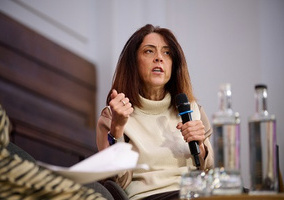


Voluntary sector providers “aren’t cheap alternatives” in public procurement, the chief executive of sector umbrella body NCVO has said.
Yesterday, Kate Lee spoke at an online Westminster Business Forum event on the next steps for public procurement in England, Wales and Northern Ireland.
In her opening remarks, she welcomed the Cabinet Office’s latest guidance on how public body commissioners should recognise social value.
However, she said the guidance alone is “not enough to change the system” and that “contracts must be properly funded”.
“We can’t expect organisations to deliver high-quality services, create good jobs and provide the additional social value they do, if the contract price doesn’t reflect the true cost of delivering services,” she said.
“Voluntary sector providers aren’t cheap alternatives. It isn’t possible, sustainable, realistic or even sometimes morally right that donated funds are being expected by commissioners to top up where there’s a deficit in provision and cost.
“New guidance encourages early market engagement and asks commissioners to consider how they can minimise the barriers to participation, and that’s welcome.
“But it needs to lead to genuine engagement with a diverse range of providers, including smaller local charities, not simply the organisations that already have the capacity to navigate complex procurement processes.”
‘Confusing and complex’ for commissioners
Lee told attendees that for some public sector commissioners, working with the voluntary sector can feel “like herding cats”.
“You’ve got 27 very small organisations all banging down your door asking for you to consider their bid,” she said.
“And actually, it’s just too confusing and complex, so it’s easier to default to the larger ones. We’ve got to get over that hurdle, and that’s also a key challenge for NCVO.”
She said that ultimately, “good procurement isn’t about buying the cheapest service or securing the longest list of additional commitments”.
“Although we do understand the pressures that you’re under, and talk to us about those pressures regularly, it’s about achieving the best outcomes for people and communities.”
Addressing cultural issues
Asked about commissioning culture, Lee said if a public procurement team is “ruling out its voluntary sector from its commissioning, that’s a really important conversation to have early on”.
“Because what we know – and there’s increasing evidence about it – is that even if the voluntary sector doesn’t end up being the successful bidder, bringing the voice of lived experience into the room when you’re deciding on those bids, the tenders, the shapes of those, all of which the voluntary sector can do for you, strengthens the end output and quality,” she said.
Lee said not tackling a “tick-the-box” culture in procurement means that while the work will get done, “the outcomes aren’t going to be as good, and you’re not going to have the innovation”.
“Having a culture by which you see the voluntary sector as a partner in those discussions leads to better outcomes in that commissioning environment,” she said.
She added that the flexibility of some of the new procurement options for the sector is not used because commissioners are “risk-averse”, busy and pressured at the time and “just stick to what they know”.
“That’s just not leading us to better outcomes,” she said. “If we keep doing what we’ve always done, we’ll have what we’ve always had, and we all know that’s not working; it’s not affordable either.
“The culture piece is as important as the guidance and the technical nature.”