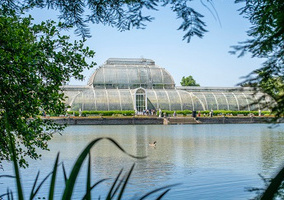



The charity that runs Kew Gardens has reported that its consumption of fossil fuels has reduced by 22% over the past year across its sites.
Royal Botanic Gardens, Kew (RBG Kew) also recorded a 17% fall in core emissions across its flagship southwest London site and Kew Wakehurst in Sussex.
The reductions in 2025-26 came as part of the charity’s aim to become climate positive, meaning it will remove more carbon dioxide from the atmosphere than it emits, by 2030.
To achieve this, the charity will have to reduce its core carbon footprint by 46% this decade, having so far cut such emissions by 31% since 2019-20. The charity has also decreased its fossil use by 36% since then.
RBG Kew said it has cut its carbon usage through various methods including installing roof-mounted solar panels at its Millennium Seed Bank at Wakehurst, generating 20% of the building’s total electricity usage, and 8% of the total site’s usage.
It has replaced onsite fleet vehicles and equipment with electric versions, leading to a 40% reduction in horticultural fuel use across Kew Gardens and Wakehurst and installed heat pumps at various sites.
Rachel Purdon, head of sustainability at RBG Kew said: “This marks a substantial step forward in our longer-term decarbonisation journey, reflecting significant investments, huge commitment from teams across the organisation, plus the impact of reductions in carbon intensity in external sectors.
“As the climate and extinction crises continue to threaten our world, we have a responsibility not only to advance world-leading science, but to demonstrate how organisations can reduce their environmental impact while helping to protect and restore nature for future generations.”
Related articles