
A Conservative MP and former development minister has urged charities not to worry about the party’s recently proposed cuts to UK aid spending.
Opposition leader Kemi Badenoch said on Saturday that she would lower the UK aid budget to £1bn a year and instead fund 50,000 extra prison places, if elected as prime minister.
The announcement drew concern from across the charity sector, with NGO umbrella body Bond’s chief executive Romilly Greenhill saying the move would “irreparably damage the UK’s reputation” if implemented.
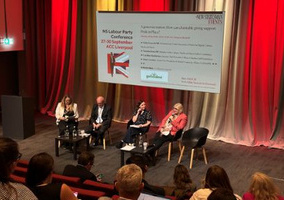
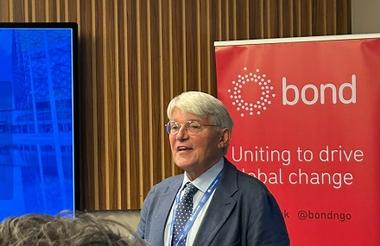
But former development minister Andrew Mitchell sought to reassure an audience of charities at the Conservative Party Conference in Birmingham on Sunday about the mooted reduction.
Mitchell, now a backbench MP, said: “Don’t worry too much about the announcement on development; the immediate crisis is to make clear that we’re going to build more prison places.
“Don’t worry too much about those figures – the party has yet to focus and will focus.”
Mitchell added that development was a vital part of British national interest and urged sector leaders to engage in discussion once the party “focuses” on the matter.
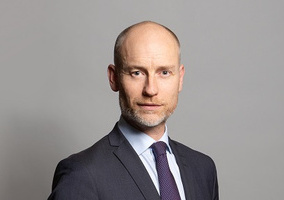
Also at the event, current shadow development minister Wendy Morton defended the policy.
“I do not believe this is an argument for Britain turning its back on the world, far from it,” she said. “It’s an argument actually for making our engagement much more strategic.”
The UK’s Official Development Assistance spending was £13m in 2025 and has reduced as a proportion of gross national income (GNI) from 0.7% to 0.5% since the Covid pandemic.
This is due to fall further to 0.3% of GNI in 2027, former Labour prime minister Keir Starmer announced in February last year, to fund defence spending.
‘This is a morally harmful act’
Hosted by Oxfam, Bond and Conservative Friends of Development, the event began with a warning from Bond policy and advocacy director Gideon Rabinowitz.
Rabinowitz said the proposed reduction would leave “barely enough to pay for our diplomats and the administration of a development engagement of foreign policy across the world”.
“Let’s face it, this is a morally harmful act but it’s also an act of tremendous self-harm.”
Rabinowitz urged Mitchell and Morton to “do more” as influential Conservative figures connected to development, and said charities needed to help by facilitating discussions on this matter.
Richard Hawkes, Oxfam chief executive, said that the UK aid budget should be restored, and not cut.
“Investing in Britain must not mean turning our backs on the rest of the world,” Hawkes said.
“I would really urge the Conservative Party to reflect on that global moral authority […] and reconsider any plans at all to cut the aid budget even more.”
Hawkes credited Mitchell for securing a 0.7% of GNI commitment to UK aid in 2011 while a minister in the coalition government, but said it was “hugely disappointing” that this was not enshrined in law thereafter.
“The last thing we should be doing now is damaging our global reputation and diminishing our ability to show moral leadership,” Hawkes added.