


Arts Council England (ACE) has announced that it will simplify its application processes after a critical review last year.
In her review, Labour life peer Margaret Hodge called for ACE to “radically reform” its application and reporting requirements to make it easier for organisations such as charities seeking funding.
She also said there was an “unacceptably high” level of bureaucracy, a lack of clear leadership and wasteful practices at the organisation.
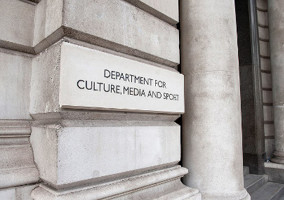
In its response, published today, ACE said it was committed to working with the Department for Culture, Media and Sport (DCMS) to “create a simpler and better experience in the months ahead”.
DCMS today announced that it would provide up to £8m to reform ACE’s systems and simplify its application processes “to help the sector spend less time on funding applications and reporting”.
Culture secretary Lisa Nandy welcomed the mooted changes and called on ACE to evenly distribute “the benefits of culture”.
Nandy said: “A reformed and independent Arts Council will sit at the heart of this vision to reach, inspire and nurture young people who otherwise would not have the opportunity to be creative.”
Longer funding rounds
Arts minister Ian Murray, who co-authored the government’s response to Hodge’s report, said DCMS would work with ACE to “revolutionise” the way it funds arts.
As part of the reforms, the government said it would work with ACE to develop a new fund for future artists and creatives, focusing on those with “fewer opportunities to flourish”.
DCMS also revealed changes to ACE’s national portfolio investment programme, including a £2m fund for projects that directly engage with people in their communities.
Longer funding rounds for the portfolio, of up to five years, were also supported by DCMS in its response to incentivise philanthropy and cultural tax reliefs.
ACE said it would test with DCMS how longer funding cycles, rolling application programmes, and the assurance of future funding might be implemented.
The government is also exploring the potential opportunities that charging international visitors at museums could bring.