


For organisations working to defend the rights of survivors of torture and trafficking, as well as other vulnerable people going through the UK asylum system, it can often feel like the principles of the Civil Society Covenant are illusory.
Collaborative partnership and transparent accountability are too often sacrificed in the name of “ministerial direction” or “pace of change”.
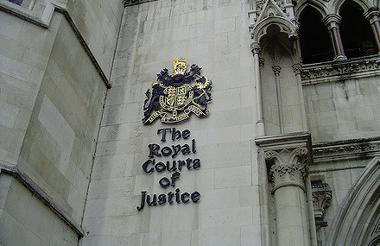
It shouldn't require legal action to establish the democratic value of consultation but our recent High Court victory, in a case that concerned the much-contested issue of asylum accommodation, has done just that.
The court found that the Home Office acted unlawfully in February 2024 when it removed long-standing protections for survivors of torture, trafficking and other serious forms of violence from its asylum accommodation policy.
In particular, it found that the government should have consulted the Helen Bamber Foundation and Freedom from Torture before making these significant changes, and failed to properly consider their impact on survivors or adequately investigate the likely consequences for some of the most vulnerable people seeking protection in the UK.
This judgment should resonate far beyond the issue of asylum accommodation. For more than two decades, Freedom from Torture and the Helen Bamber Foundation worked constructively with successive governments to improve policy affecting survivors of torture and trafficking.
Consultation was not a courtesy extended to us but reflected an understanding that effective policymaking depends on listening to those with frontline expertise and lived experience.
Essential to good policymaking
Yet in recent years, civil society organisations have been portrayed as self-appointed critics complaining from the sidelines, or “blockers” who stand directly in the way of change. In reality, charities working directly with affected communities are an essential part of good policymaking.
Every day, we see how government policies work in practice. We understand where systems succeed, where they fail and what unintended consequences emerge. This knowledge is based on evidence gathered through decades of supporting people whose lives depend on getting policy, and its implementation, right.
This judgment will not undo the suffering experienced by people who have already been placed in unsafe and unsuitable asylum accommodation. But it does offer hope that evidence still matters. Hope that expert civil society organisations can be valued as critical friends, and engaged as partners in the hard work of building systems and processes that deliver.
In recent years, under both the Conservative and Labour governments, meaningful consultation with people with lived experience and specialist charities has too often been overlooked in favour of approaches that may generate headlines but fail to withstand scrutiny or, more importantly, protect people from harm.
When launching the Civil Society Covenant in July 2025, the previous prime minister committed to “bringing people together to fix the problem” on issues like migration, but this commitment was not fulfilled.
This judgment offers an opportunity for the government to rethink how it works with civil society. With a new prime minister now in place, this judgment could mark the beginning of a new approach grounded in consultation, evidence and humanity, rather than political expediency.
Sile Reynolds is head of asylum advocacy at Freedom from Torture and Kamena Dorling is director of policy at the Helen Bamber Foundation