

Charities running reparations programmes must be willing to engage in a “difficult and iterative process”, a sector event has heard.
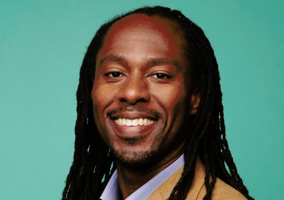
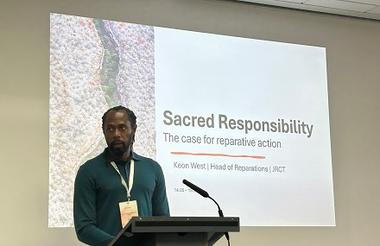
Keon West, inaugural head of reparations at Joseph Rowntree Charitable Trust (JRCT), spoke at Faith Charities Forum in central London last week, calling for a “collaborative, community-oriented approach” to the role.
JCRT, established in 1904, pledged in 2021 to “critically examine” its history after “race-based hierarchies and racial exploitation”, including slavery links, were revealed.
Three years later, the charity sought to recruit a reparations head and in April 2026 West was appointed.
West, addressing the scope of his role, said: “The current setup for reparations work is designed to be in perpetuity, which means forever. We don’t have any plans to stop.
“Another saying goes that the people who say something is impossible have to make way for the people who are already doing it.
“The question is not whether you can do reparations; you can. The question is whether you want to.”
Finding affected communities to build trust and work with them to define what repair looks like were crucial first steps, he advised.
West also suggested that sector leaders work with internal and external advisers to ensure charities are legally compliant when doing so.
“[This] is incredibly important within your charitable goals […] and then you deliver that long-term structural difference,” he added.
Distinction between philanthropy and reparations
West spoke about the distinction between charitable reparations, race equality policy and philanthropy, criticising aspects of the latter.
“I [also] don’t like the competitive aspects of a lot of philanthropic work,” he said. “[The idea that] your application must be better than mine in order to be funded.
“That isn’t reparative work: we must work together to figure out where the money should go.”
West elaborated that charities should not allow people or organisations to apply for reparations in the same manner they might do for grants.
“I would go as far as to say that’s deeply offensive”, he said. “I cannot owe you money and have you apply to me for the money.
“I owe you money, and so the question is: Can we work together to see how we get it back and what we do with it?
“It’s different from the way we normally think about doing philanthropy, in which people apply to us and then they generate ideas in which we’re the arbiters of the judges.”
‘They need to operate without us’
West set out “suggested guiding principles” for charities, including to learn from those impacted.
“We can take guidance from the most affected people and communities, putting resources back into […] their hands, while we learn more about the systems of racialised privilege,” he said.
“Our actions can be targeted to issues and locations that redress the legacy of the slave trade and colonialism.”
West added that charities should not expect forgiveness even if they deliver reparations.
“We can do reparations, and we can still be hated by the people for whom we do reparations. That is a consequence we have to live with,” he said.
“They didn’t create the situation; we created the situation. They need not be our friends afterwards because they now have the assets they need to operate without us.
“If they’re in a position where they must continuously return to us, asking for a top-up, so more project funding, more scholarships, more investment, I think we somehow fail.”