
A former civil society minister has urged the government to learn from the “political failure” of David Cameron’s Big Society as it aims to grow the “impact economy”.
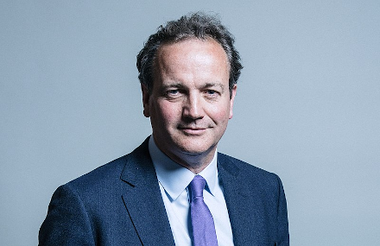
Nick Hurd, the longest serving charity minister in history who served under Cameron from 2010 to 2014, said the Big Society programme overall failed because it “did not lay strong enough foundations of trust and understanding in the sectors and communities we wanted to inspire”.
“Like Big Society, the impact economy is an expression that can mean different things to different people,” Hurd said as part of a new essay collection from New Philanthropy Capital (NPC).
“There needs to be alignment around a shared understanding and a common vision that is about more than filling funding gaps for a cash-strapped government.”
Hurd urged the government to create a shared understanding of the impact economy – which includes charities (£98bn) impact investing (£78bn), social enterprise (£77n), according to NPC – to avoid confusion.
His comments followed the government’s launch of the Office for the Impact Economy last month, an initiative designed to unite charities, businesses, social investors, philanthropists and local leaders.
NPC boss: ‘Shared understanding’ needed
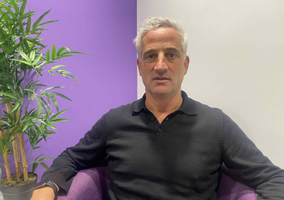
Jonathan Simmons, NPC chief executive, spoke about the Impact Economy to an audience at the House of Lords yesterday.
Simmons said: “Across the UK communities are facing interlinked challenges […] no one sector must act alone, we must come together.
“As Nick Hurd said in his essay, there needs to be an alignment around a shared understanding and common vision that is more than filling funding gaps for cash-strapped companies.”
The government announced the Office for the Impact Economy last month in a bid to “unlock billions of impact capital” and help “government investment go further”.
It valued the impact economy at £106bn in the UK and defined it as a government partnership with business, social investors and philanthropists, allowing them to use their expertise, resources and investment to drive “positive results” in communities.
Hurd, a Conservative MP from 2005 to 2019, said that the Labour government had shown “very welcome leadership” in embracing the impact economy, but needed to create a “common vision”.
In his essay, Hurd said: “Like Big Society, the impact economy is an expression that can mean different things to different people.”
While critical of the overall Big Society programme, Hurd said he was proud of the creation of Better Society Capital and the Access Foundation, which he now chairs.
The Office for the Impact Economy, led by chief secretary to the prime minister Darren Jones, will be based in the Cabinet Office.
Dominic Llewellyn, social impact company AchieveGood’s chief executive, said at the House of Lords that purpose-driven businesses, social enterprises and trading charities already generate £1bn in every £10bn of UK GDP.
Llewellyn called for the impact economy to provide a clear, joined-up system so investors and philanthropists who want to spend know where to “plug in”.
At the event, Simmons added that NPC would publish a report on the size and story of the impact economy in January 2026.