Charity Property Conference 2013
29 Oct 2013
Sorry for interrupting, but there is something we need to tell you...
We use cookies to ensure that we give you the best experience on our website.
If you wish to restrict or block web browser cookies which are set on your device then you can do this through your browser settings, the Help function within your browser will tell you how.
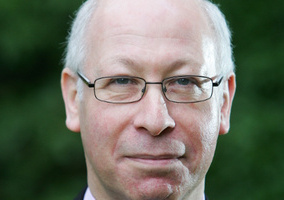
Stephen Lloyd is senior partner and head of the charity and social enterprise department at Bates Wells & Braithwaite. He has been a partner at BWB since 1984, and has particular expertise in the interface between charities and trading.
He is author and presenter of numerous articles and seminars, and an adviser to CAF's Venturesome Investment Fund. He is a former chairman of the Charity Law Association, and current chairman of CaSE, LifeHaus Plc and the Centre for Innovation in Voluntary Action.
Lloyd was instrumental in creating the Community Interest Company legal structure.
Is this profile up-to-date? If not, please let us know at whoswho@civilsociety.co.uk
English charities which are subsidiaries of foreign organisations must make their own decisions, explains Stephen Lloyd.
Stephen Lloyd responds to a trustee rightly concerned about the consequences of not fully disclosing details of major risk facing the company in their annual report, as required under the Companies Act 2006.
Stephen Lloyd and Tracey Reynolds examine the types of risks trustees face and whether insurance can help with these risks.
One of the risks that any charity faces is fraud. It is not a major risk – only a few charities, thankfully, are the victims of frauds. But fraud happens. It can involve employees, volunteers or property.
Have you considered all of the areas of insurance you might need cover for?
Charities have been warned to take advantage of upcoming changes in trading subsidiary legislation, or they will lose the opportunity and perhaps other tax relief/funding opportunities in the future.
A lone voice on the board asks for advice on the rules and regulations regarding trustees becoming employees and employees becoming trustees. Stephen Lloyd responds.