


The government has launched a 12-week call for evidence, asking the public to help shape the future of National Lottery funding for good causes.
For the first time in more than 20 years, the public is being consulted to share opinions on where the money should go and how it should be spent.
Since the first draw in 1994, the National Lottery has raised over £53bn for charitable causes.
Almost a quarter of every pound spent on a lottery ticket goes to charitable causes, but its funding model has not been significantly reviewed since former culture secretary Tessa Jowell’s review in 2002-2003.
The National Lottery’s operator, Allwyn, has pledged to double good cause funding to £60m a week by the end of its licence in 2034.
The government said that this had prompted its decision to open the call the evidence, as “now is the right moment for the public to have more of a say in where their contribution is spent”.
‘Public must be in the driving seat’
Culture secretary Lisa Nandy said: “The National Lottery is played by millions of people every single week. It is not just public money, it is literally the public’s money and they must be in the driving seat of how it is spent.
“But for two decades no government has asked people how they want their money to be spent.
“Decisions are made hundreds of miles from communities who know best and favour larger organisations who can meet the needs of the system, rather than bending the system to work for the small, grassroots organisations who are the lifeblood of our communities.
“This government is determined that will change. With this consultation we are bringing people back into the conversation. They will write the next chapter in the story of the National Lottery and of our country.”
The National Lottery Community Fund, which distributed £767m of lottery funding last year, welcomed the call for evidence.
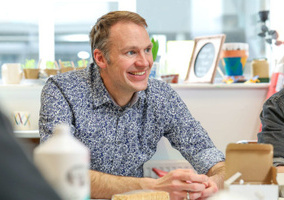
Its chief executive David Knott said: “It is vital to ensure that the good causes being funded through the generosity of National Lottery players are driven by the needs, hopes and aspirations of people across the country long into the future.
“We will work with our colleagues across the UK and grantholders to ensure this builds on our collective experience of providing life-changing grants to communities over the last 30 years.”