


Three-quarters of charities oppose the government’s plans to link volunteering to settlement in the UK, according to a new survey by NCVO.
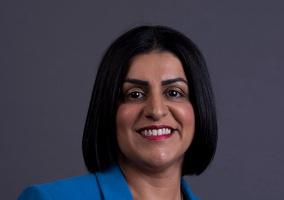
Last year, home secretary Shabana Mahmood announced proposals to introduce a volunteering “test” for migrants applying for indefinite leave to remain in the UK.
Mahmood’s announcement drew criticism and concern from hundreds of charities, which said they would refuse to comply with her “immoral and impractical” plan.
To understand the real-world impact of the proposals, NCVO surveyed over 300 voluntary sector organisations between December and January.
Some 75% of respondents opposed the proposals, saying they would undermine voluntary action, place unsustainable burdens on charities and create safeguarding and exploitation risks.
“Charities were clear that linking volunteering to settlement would be unworkable and harmful,” NCVO said in its report on the proposals published this month.
“The evidence shows the proposal is unnecessary: people already want to volunteer. The barriers are practical and structural, not a lack of motivation.”
Policy undermines volunteering principle
NCVO’s report says the policy risks undermining the core principle that volunteering must be freely chosen and reducing the quality of volunteering.
Respondents fear that “pressure-driven” volunteering could result in short-term, tick-box placements, lower engagement and retention and volunteers moving roles to accumulate hours.
“This undermines the meaningful relationships and community benefits volunteering provides,” the report says.
“If settlement prospects depend on volunteering, people may accept unsafe or exploitative placements from bad actors.
“Without clear definitions, unpaid labour could be misused. Participants compared risks to exploitation seen in some visa sponsorship schemes.”
Respondents pointed out that volunteering isn’t “free” and they would have to shoulder any extra costs, at a time when many face funding pressures.
They cited burdens such as reporting and verification requirements, processing DBS checks and providing language support.
Some warned they might have to reduce volunteering opportunities for asylum seekers or divert resources from services to manage compliance.
Proposals clash with covenant’s principles
Respondents criticised the fact that the government’s policy and consultation, which closes on 12 February, were announced before engagement with the sector.
NCVO’s report says this is “contrary to commitments to early engagement and co-production” set out in the Civil Society Covenant, published last year, with an aim to reset the sector’s relationship with government.
“Organisations fear being expected to monitor and report volunteers to the Home Office, positioning them as extensions of immigration enforcement without consent or resources,” it says.
“This threatens sector independence and damages trust with communities, particularly as in many organisations, volunteer managers are volunteers themselves.
“Voluntary organisations felt the proposals assume charities will absorb enforcement responsibilities without regard for organisational missions or values, risking damage to relationships with communities.”
Respondents called the policy “unnecessary”, as migrant and refugee volunteers already actively seek volunteering opportunities.
They argued that the obstacles to volunteering lie in instability, bureaucracy and safeguarding requirements rather than a lack of willingness.
Full consultation response
NCVO’s consultation response in full reads: “Volunteering is, by definition, freely given. Tying it to settlement undermines its spirit, distorts its purpose, and risks damaging public trust.
“The policy places new financial and administrative pressures on charities already under strain.
“Organisations raised concerns about heavier reporting requirements, verifying volunteering hours, complex DBS checks for people without UK documentation and the need for language support and trauma-informed supervision.
“Volunteering isn’t cost-neutral and voluntary organisations are unable to absorb these pressures.
“Case-studies from civil society organisations show that many refugees and migrants are already volunteering.
“For those who aren’t, the barriers are often structural, linked to instability, lack of resources, mental health and discrimination.
“These proposals don’t remove these barriers but do open the door for bad actors looking to exploit vulnerable people for profit.
“The approach was announced without prior engagement with the sector, undermining the partnership principles of the Civil Society Covenant.
“The covenant commits government and civil society to work together to create the conditions for active participation.”
A Home Office spokesperson told Civil Society: “We’ll always welcome those who make a positive contribution to our country, because settlement in the UK has long been seen as a privilege rather than a right.
“While the standard period migrants must spend here before qualifying for settlement will rise from five to 10 years, individuals may shorten this through contributions to our economy and society.”